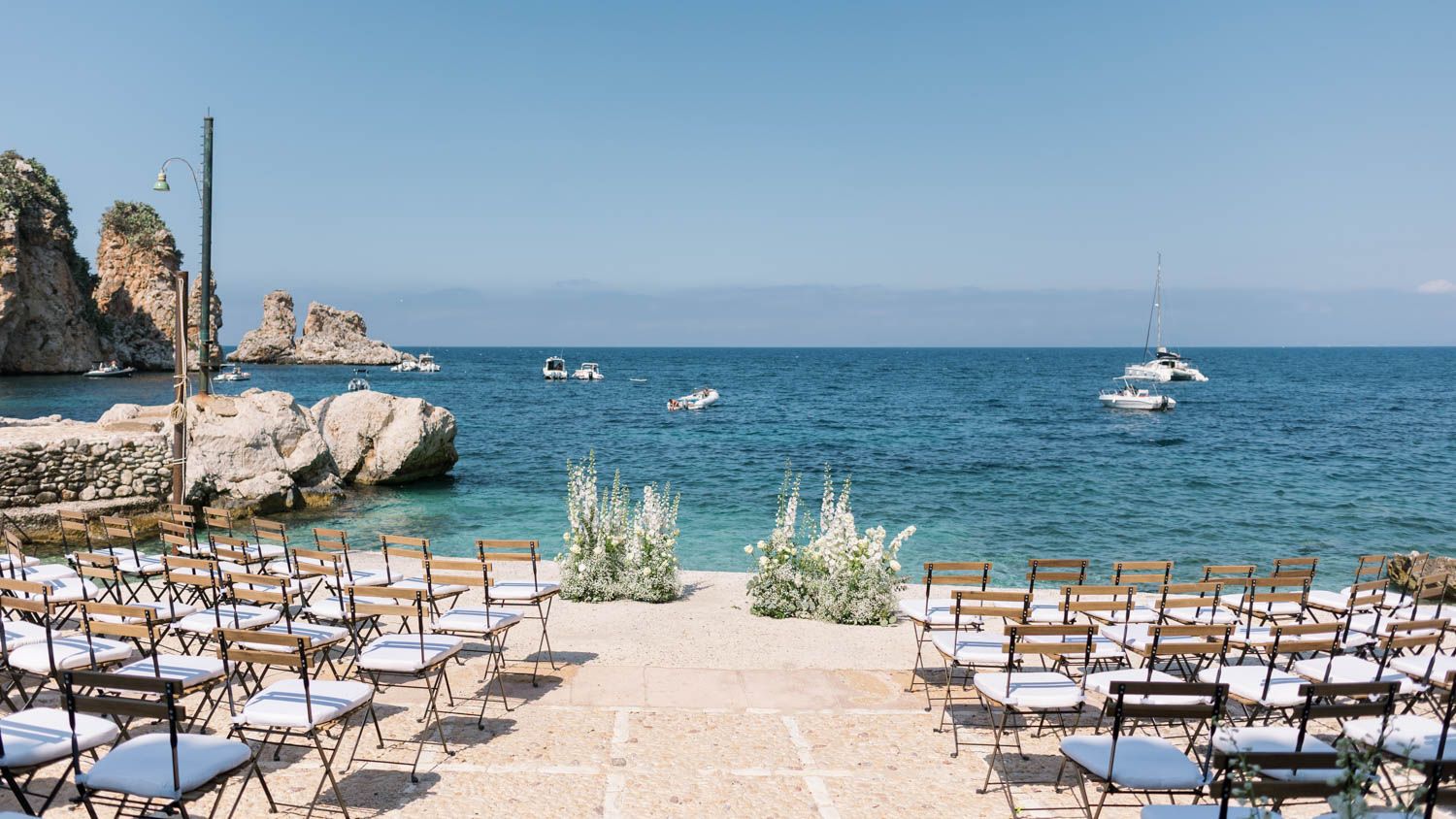
Planning a wedding involves countless details, and one of the most important aspects is creating a well-structured timeline. A carefully planned schedule ensures that every key moment is captured beautifully without feeling rushed. From the getting-ready shots to the golden hour portraits, a seamless timeline is the secret to stunning wedding photography. As a wedding photographer, I’ve seen firsthand how a well-organized timeline enhances both the experience and the final gallery. Here’s my guide to crafting the perfect wedding timeline.
Understanding the Key Moments of the Day
Each wedding follows a unique flow, but there are key moments that should always be factored into the schedule to ensure perfect photographic coverage.
Getting Ready
- Allocate at least 1.5 to 2 hours for the bride and groom's preparation.
- Include time for detail shots: dress, shoes, invitations, rings, and accessories.
- Plan for a first look (if desired), allowing an additional 30 minutes.
The Ceremony
- Consider the best time based on natural lighting conditions.
- For outdoor ceremonies, schedule them 2 hours before sunset for optimal lighting.
- Allocate 30-60 minutes depending on the type of ceremony.
- Plan for a short post-ceremony break before portraits begin.
Couple & Family Portraits
- 30-45 minutes for couple portraits (longer if traveling to multiple locations).
- 30 minutes for family portraits.
- A buffer time of 15 minutes is useful to avoid feeling rushed.
Reception
- Capture reception details before guests enter.
- Allocate 10-15 minutes for couple portraits during golden hour.
- Plan for first dance, speeches, and cake cutting in a structured way to maintain a smooth flow.
How to Plan a Seamless Wedding Timeline
A few key factors will determine the ideal timeline:
1. Consider the Season & Lighting
- In summer, sunset is later, allowing for an evening ceremony.
- In winter, daylight is shorter, requiring an earlier timeline.
- Golden hour is ideal for romantic couple portraits, so check the sunset time on your wedding date.
2. Factor in Travel Time
- Account for time moving between venues (hotel to church, ceremony to reception).
- Add at least 15-30 minutes of buffer time to avoid stress.
3. Work Around Key Events
- Ensure there is time for guests to transition between different locations.
- Allow time for wedding traditions such as bouquet toss or fireworks.
The Photographer’s Pro Tips
- Start early: The earlier we start, the more relaxed and natural the photos will be.
- Trust the timeline: A well-structured plan ensures we capture every moment effortlessly.
- Golden hour is magic: Schedule at least 15-20 minutes for couple portraits during this time.
- Have a point person: Assign a planner or bridesmaid to help keep the schedule on track.
Final Thoughts
A perfect wedding timeline blends structure with flexibility, ensuring that every moment is beautifully documented while keeping the couple and guests at ease. As a photographer, I always work closely with couples and planners to craft a schedule that allows for breathtaking images without rushing through the day. If you're planning a wedding in Sicily and want expert guidance in crafting the perfect timeline, feel free to reach out!
Ready to turn your dream wedding into reality? Let's connect and discuss your vision!